

Support for survivors
What is an IDVA?
An IDVA is an Independent Domestic Violence Advisor/Advocate. IDVAs are specially trained to help survivors of all forms of domestic abuse and help plan next steps in your recovery. They work with you to build a trusting relationship and help you to rebuild your life. This might be representing you at a Multi-Agency Risk Assessment Conference (MARAC) or helping you to navigate the criminal justice process.
We believe you’re a survivor, not a victim. Our IDVAs give a voice to you if you’re feeling voiceless, enabling you to pursue justice and put the building blocks in place to begin a new life, free from fear.
Our IDVAs also play a crucial role in the community. They provide essential training to key agencies such as the police and other statutory services which greatly improves the way they respond to cases of domestic violence. Read more about IDVA’s here
We have lots of different types of specialist IDVAs who help in different situations:

We have a range of groups for survivors to join- from The Power of Change programmes, Peer Support Groups and LGBT+ Groups. Click below to find out more and sign up.
How does our IDVA service work?
Once you are in touch with us, we will support you with all available options to suit your immediate needs. We will address any immediate safety needs and explore how best to manage your situation in a way that keeps you safe and addresses your needs in an achieveable way.
Our IDVAs:
- Assess and manage the risk you are in
- Identify short, medium and long terms goals and develop an action plan with you
- Create a safety plan to ensure you are, and remain, safe and secure
- Support you in securing civil protection orders
- Support you in engaging with criminal justice agencies such as the police, or the courts
- Help you access emergency accommodation and support you in any housing applications you will make
- Support you to access benefits and emergency funds
- Support you to engage with safeguarding procedures.
Once your immediate needs have been met, and if we both think it is beneficial to you, you would be assigned a worker from the Longer Term/12 Week team who would provide continuation of any journeys started in terms of housing, finances, safeguarding etc., and provide emotional support and build personal resources and resilience via interventions such as:
- Solution Brief Focussed Therapy
- Assertiveness/Confidence Building
- Emotional Freedom Technique
- 121 Freedom Programme work
Where all needs have been met by either team but there is ongoing criminal justice or Family Court journey then you would be reassigned to our Family Court / Criminal Justice Support IDVA.
All of the above are elements of our Community IDVA Service and we will tailor our sertvice to your needs. You may take a linear journey or maybe not, it will all depend on your needs.
ISVA service
Since 2019 we have been able to offer victims of sexual violence support and advice through our Independent Sexual Violence Advisor (ISVA) service.
Our ISVA can support anyone who has been the victim of sexual violence – whether this happened 2 days ago or 30 years ago.
Our ISVAs can support you if you are thinking about reporting the crime, or if your case is going through the criminal justice system. We can help you through the court process and explain what is likely to happen when a report is made to the police.
We have excellent links with the SARC (Sexual Assault Referral Centre) and can explain their role in helping you.
Call for help now
0808 2800 999
Open Monday - Friday 9.30am - 4.30pm (Closed for half an hour at lunch at 1pm)
Our One Front Door helpline is completely free and confidential, and the call will not show up on itemised bills. Read our confidentiality policy here.
Leave the abuse, not your home

"The day I rang for help [was] the day I realised it was time for me to leave...The day I was accepted [to refuge] I had my full life in four bin bags and some toys I managed to grab." Kayleigh.
Latest news, blogs and jobs
Mental Health Intervention Facilitator
We are looking for a Domestic Abuse Mental Health Intervention Facilitator to join our small but brilliant Hope & Light team. About the role This role focuses on working with individuals from diverse communities who have experienced domestic abuse and are living...

“She left him, so she’s safe.”
By Anna, Domestic Abuse Intervention Facilitator “Separation often produces neither safety nor freedom” Dr Emma Katz Please note this blog discusses themes which some readers may find distressing. “She left him, so she’s safe” The above is a phrase I have heard from...
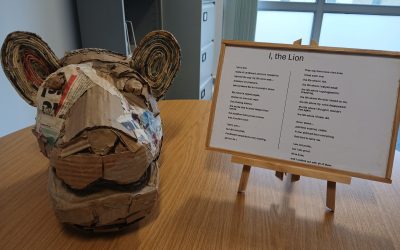
Untold Stories: Domestic Abuse Survivors Share Their Stories Through Art at Cliffe Castle
One day only – Cliffe Castle, Keighley26th September 11am-2pm. We are proud to announce a special one-day showcase of Untold Stories, an immersive creative arts programme bringing together the powerful voices, experiences and artistic expressions of women who have...