

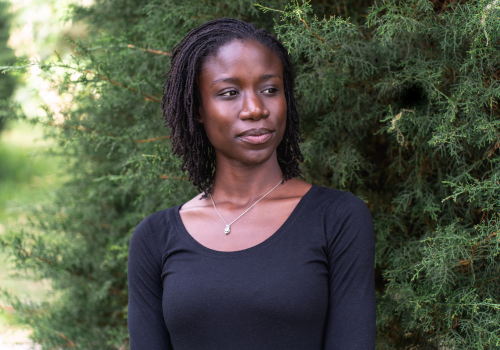
When survivors of domestic abuse speak, their words often carry more than what is said out loud. Phrases like, “No one believes me,” or “Maybe I did something wrong,” are common ways survivors minimize their experiences. These coping strategies aren’t signs of weakness, they are survival tools developed to manage overwhelming trauma and protect themselves from further harm.
This Black History Month, it’s essential to highlight how cultural expectations, systemic barriers, and racism shape these coping mechanisms, especially for Black survivors. In many communities, including Black, Asian, and refugee families, speaking out about abuse can be seen as dishonourable or shameful. Survivors face fear of judgment, ostracisation, immigration consequences, or retaliation. Abusers often manipulate survivors into protecting their reputation over their own safety.
These layers of cultural pressure combined with mistrust in institutions make full disclosure even more difficult, which can lead to underreporting and delayed help.
Why does this matter?
When frontline workers don’t recognise these coping strategies, they risk underestimating the danger survivors face. This can lead to inadequate risk assessments and safety plans, putting survivors and their children in further harm.
Common coping strategies include:
- Minimisation: Downplaying the severity of abuse to manage fear or shame.
- Self-blame: Believing the abuse is their fault or something they caused.
- Silence: Avoiding disclosure due to fear of stigma or retaliation.
- Normalising: Accepting abuse as a “normal” part of relationships or family life.
How can practitioners respond better?
- Recognise cultural frameworks: Survivors are more likely to open up when they feel understood within their cultural context.
- Ask trauma-informed, open questions: Questions like “What helps you get through difficult days?” or “Are there cultural or family pressures that make it hard to talk about your safety?” invite honest dialogue.
- Use repetition and paraphrasing: Revisiting questions can reveal hidden risks and coping patterns.
- Provide culturally appropriate support: Offering interpreters, staff from similar backgrounds, and partnering with trusted community spaces helps reduce barriers to disclosure.

We are part of the Hope and Light programme, providing mental health support to the Black African, Black Caribbean, Central and Eastern European, and South Asian communities recognising the diversity within and beyond these groups through a range of culturally responsive services.
We put you at the heart of what we do. By listening to your experiences and respecting your values, we aim to address mental health challenges in ways that you can relate to and meet your unique needs. We’re here to find ways to address mental health challenges that respect your culture, value your input, and are designed specifically with your needs in mind.
Through activities such as group and one to one support, we create safe spaces in your community to help you access the right care.